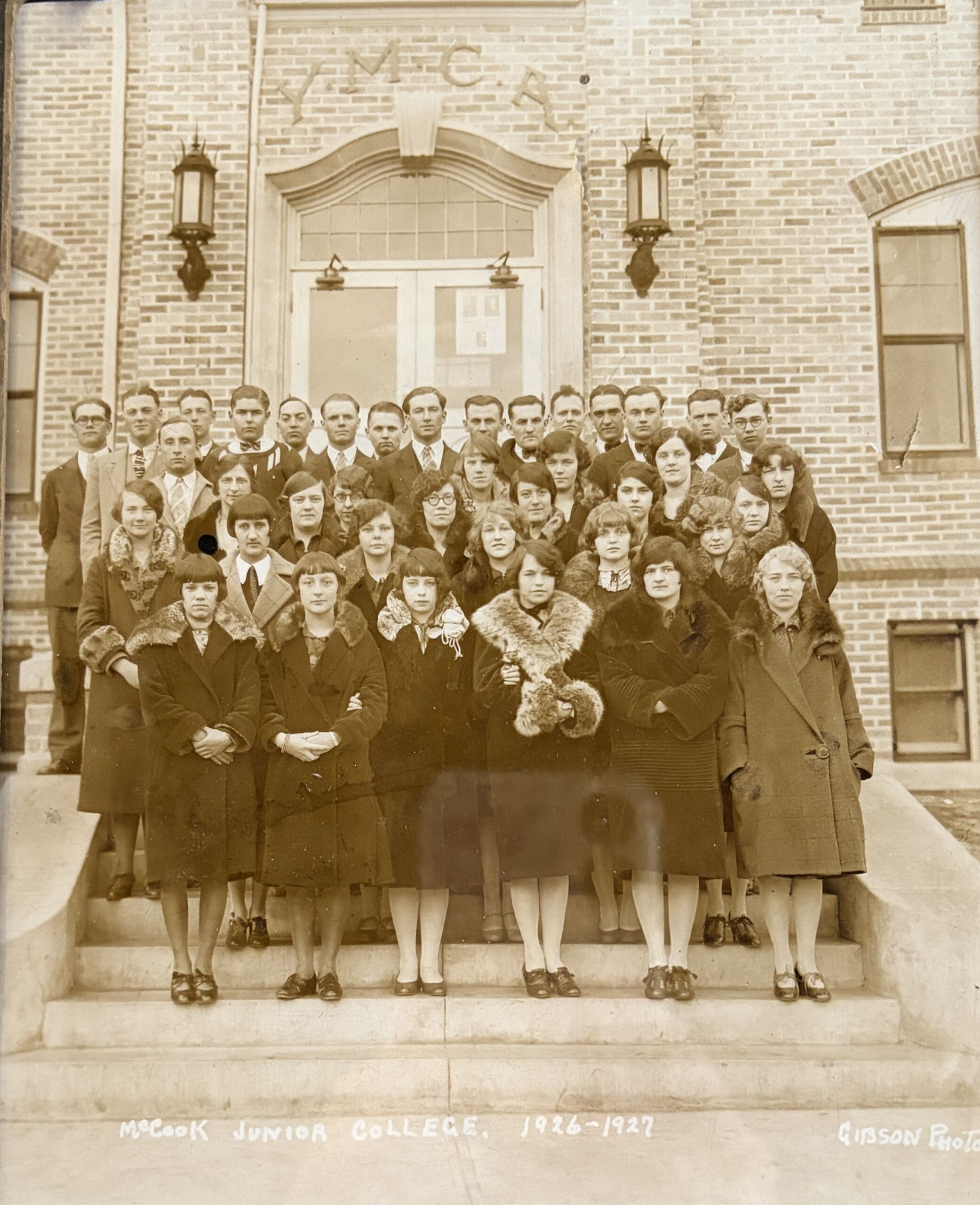
In 2026 the college in McCook celebrates 100 years of
operation. “One of the planks nailed down,” was the
comment after McCook Junior College was finally
started in September 1926. The school of higher
learning was a long-standing dream of civic leaders, and
one of the crusades of the local chamber of commerce.
When the doors were opened for the first time, the college
consisted of three meeting rooms on the second floor of the
YMCA, with the campus consisting of a small patch of grass
between the YMCA and Main Street (now called Norris
Avenue). A total of 43 students signed up for classes that
year
In 1927, the school board decided to keep the college in
operation for a second year and added a second-year
curriculum for those eligible to take it. This made the
college the first two-year college in the state. Legislation to
legalize junior colleges had been introduced in the
Legislature, but the measure was killed. In 1931, the bill
was introduced again and passed. Gov. Charles W. Bryan
signed the bill which made the junior college a legal part of
the educational organization of the state.
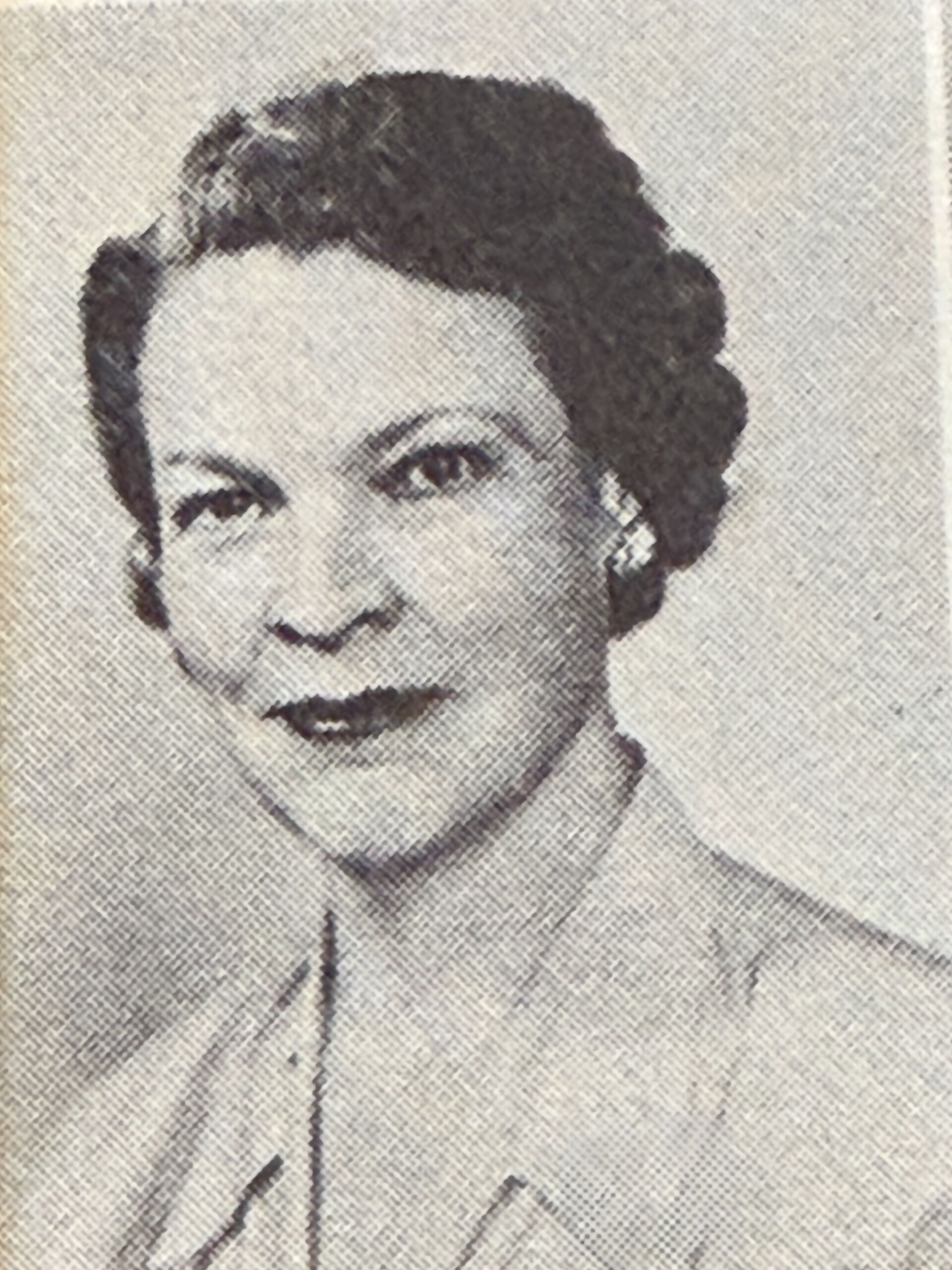
Gwen McKenzie
Found her way to McCook Junior College through Ralph Brooks and spent 32 years with the administration. A World War II Navy veteran, she was also in charge of G.I. affairs at the college. After several years teaching, the college board asked her to step into the role of President for just one year.
That year, the college separated from the public school system, built von Reisen library, eliminated football from the athletic department, introduced Adult Basic Education, and started an art program.
At the end of the year, she set off to Europe with an art group; and when she returned, she spearheaded a group which raised money for a new fine arts building. She later served two terms on the Mid-Plains Vocational Education Board. She was a charter member of the McCook College Foundation Board. Her will left an important bequest to the College Foundation.
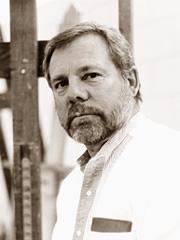
Don Dernovich
The Fine Arts program took shape in the early 1970s, and by the spring of 1976 the Wrightstone Fine Arts Building—named in honor of Pearl Wrightstone—opened its doors to students. Don Dernovich was the very first instructor hired for the program, setting a high bar for creativity and excellence from the start.
Don went on to teach generations of art students at MPCC, all while building an impressive career as an award‑winning artist. His accolades include first place in oil at the Phippen Museum Western Art Show and Best Watercolor at the Western Spirits Art Show. He is also a member of the Rocky Mountain Plein Air Painters and holds signature status with the Oil Painters of America, the National Watercolor Society, and the American Watercolor Society.
We are honored to preserve a piece of his legacy here at the Museum with one of his beautiful watercolors in our collection.